Why The Light We Live With Sucks (and what we need to do about it)
Modern life seems to be full of things that were promised to be better than their predecessors and turned out to be disappointing. Social networking—the idea that people from around the globe could organize around ideas and initiatives — gave way to social media, influencers, and content creators. Google, once the indispensable search engine, is now littered with paid results and AI summaries no one asked for. Cable TV was expensive, but at least you got everything under one service. Streaming was supposed to give consumers freedom, but once you add up all the streaming services, you might as well have just stuck with cable.
I would add LED lighting to the long list of things consumers were promised would make their lives better, only to find they have made our lives significantly worse. When people find out what I do, they often complain about LEDs. “The light in my bathroom sucks.” Or “I hate the lights in my office.” There’s no shortage of complaints.
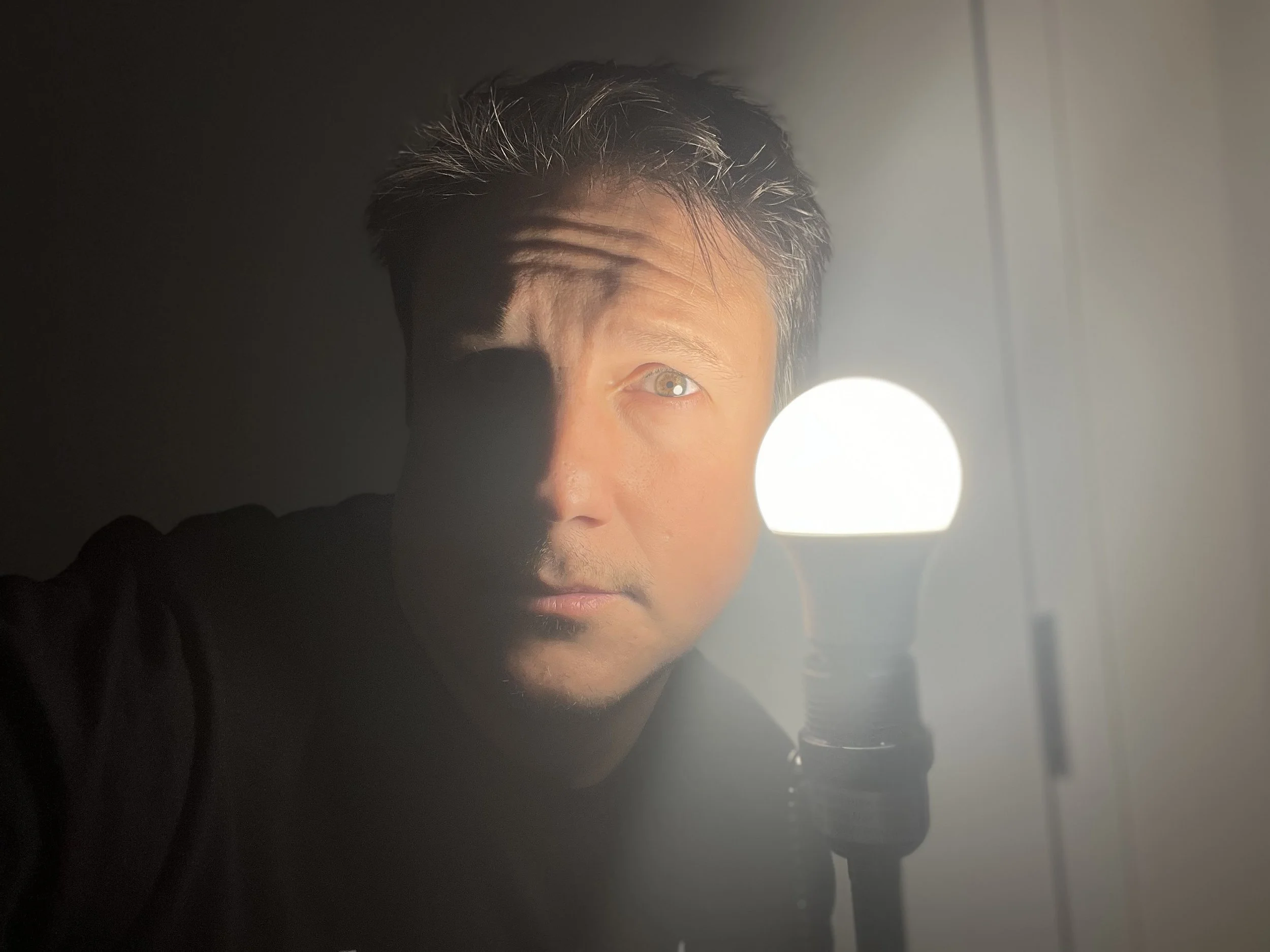
Why haven’t these improved in the last 10 years?
All of this has led many people to draw the conclusion that LED itself is an inferior light source. They want to bring back incandescent and halogen sources. I will tell you that LED is not an inferior light source; in fact, it is the most robust, customizable, and efficient artificial light source we have ever created. I could veer off down the road of explaining why incandescent wasn’t what the nostalgia hounds say it was, but that’s not important. A better use of our time here is to discuss why LED light sources are often so unpleasant.
Precious few basic minimum standards for LED light bulb performance
In the mid-2000s, while LED technology was still in rapid development, performance standards were established to create a baseline for what should be on the shelves in America. It’s been nearly 20 years, and LED sources have become dramatically more technically advanced. Not only are they much more efficacious, but optically, they can provide better color consistency, rendering, spectrum, and fidelity. And much like all chip-based technology, they have also become much less expensive to produce.
While there is a robust market of high-end LEDs for specification-grade lighting manufacturers, at the consumer level, there is a much broader market of less expensive “good enough” LEDs that are exceedingly bright but lack the critical performance necessary to create a beautiful environment. These are LEDs that end up in your flashlights, or ring lights or a thousand other applications, but shouldn’t make their way into bulbs or lighting fixtures.
In short, market standards have not kept up, and this has led to a surge in cheap, poorly made, and low-quality LED light sources to flood the market. While there are some high-end light bulbs on the market, they are usually laden with technologies that consumers largely didn’t ask for (the ability to change color, enhance circadian health, have wifi control, etc). These features are seen as a way to justify higher costs and annoyingly lock consumers into yet another platform.
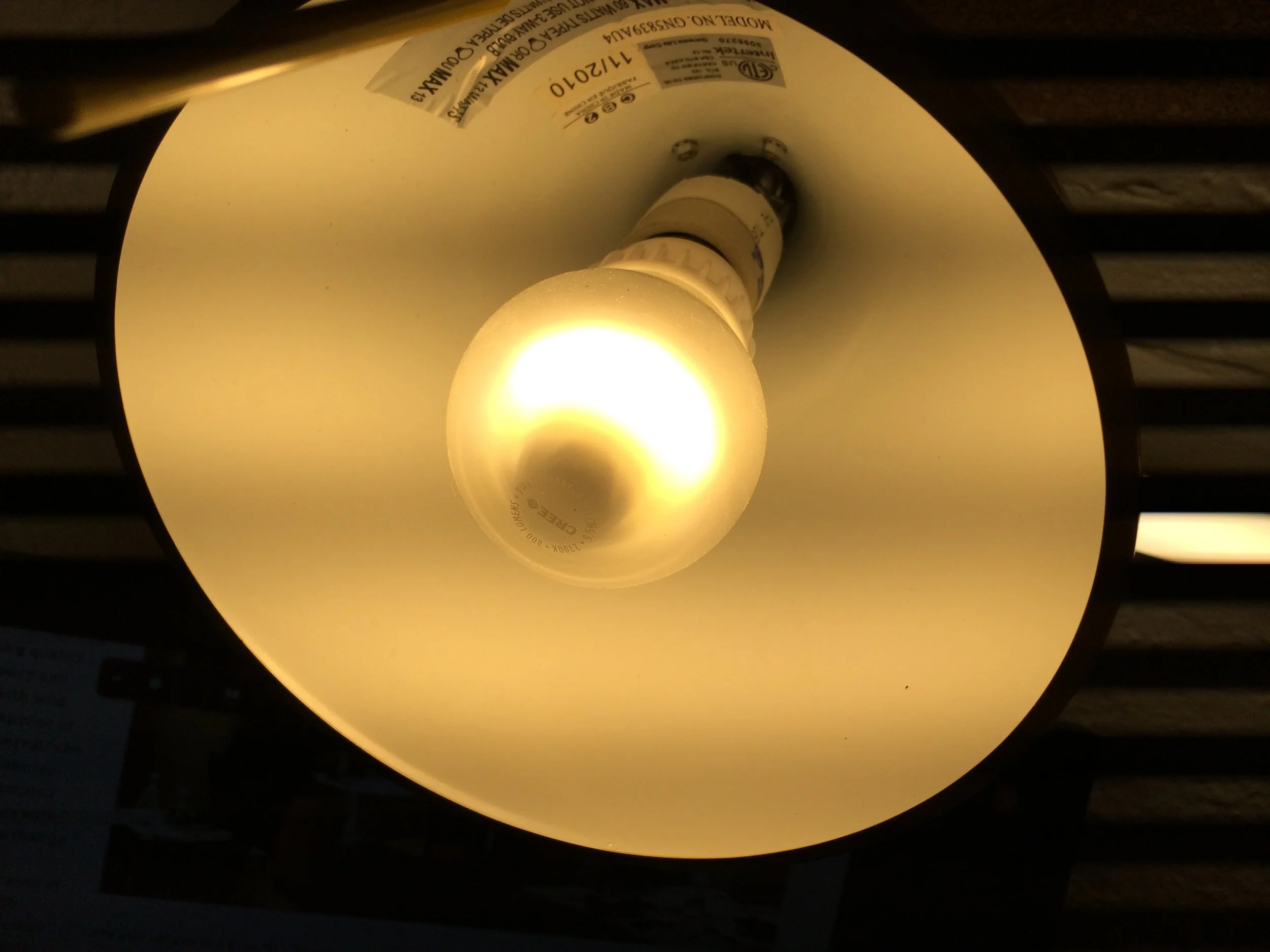
Without higher standards, there isn’t much market incentive to create a better light bulb. Such a bulb would likely be a little more expensive than its competitors on the shelves of Home Depot or the screens of Amazon. In our snap-purchase consumer market, most consumers will simply choose the bulb that’s cheapest. That’s why we need basic minimum standards that raise the bar for all LED bulbs sold in America. Yes, prices will rise, but I’m willing to bet they would only rise slightly, and most people’s household budgets are not set by the LED bulbs they might be buying once or twice a year.
Poorly designed and built lighting fixtures
Even the best LED source requires good optics and shielding to both obscure the light source and send light where you want it to go. That doesn’t mean the fixture necessarily has to be expensive, but it has to be well designed and built, at least well enough to achieve good shielding and/or good light projection. (More on this in a second)
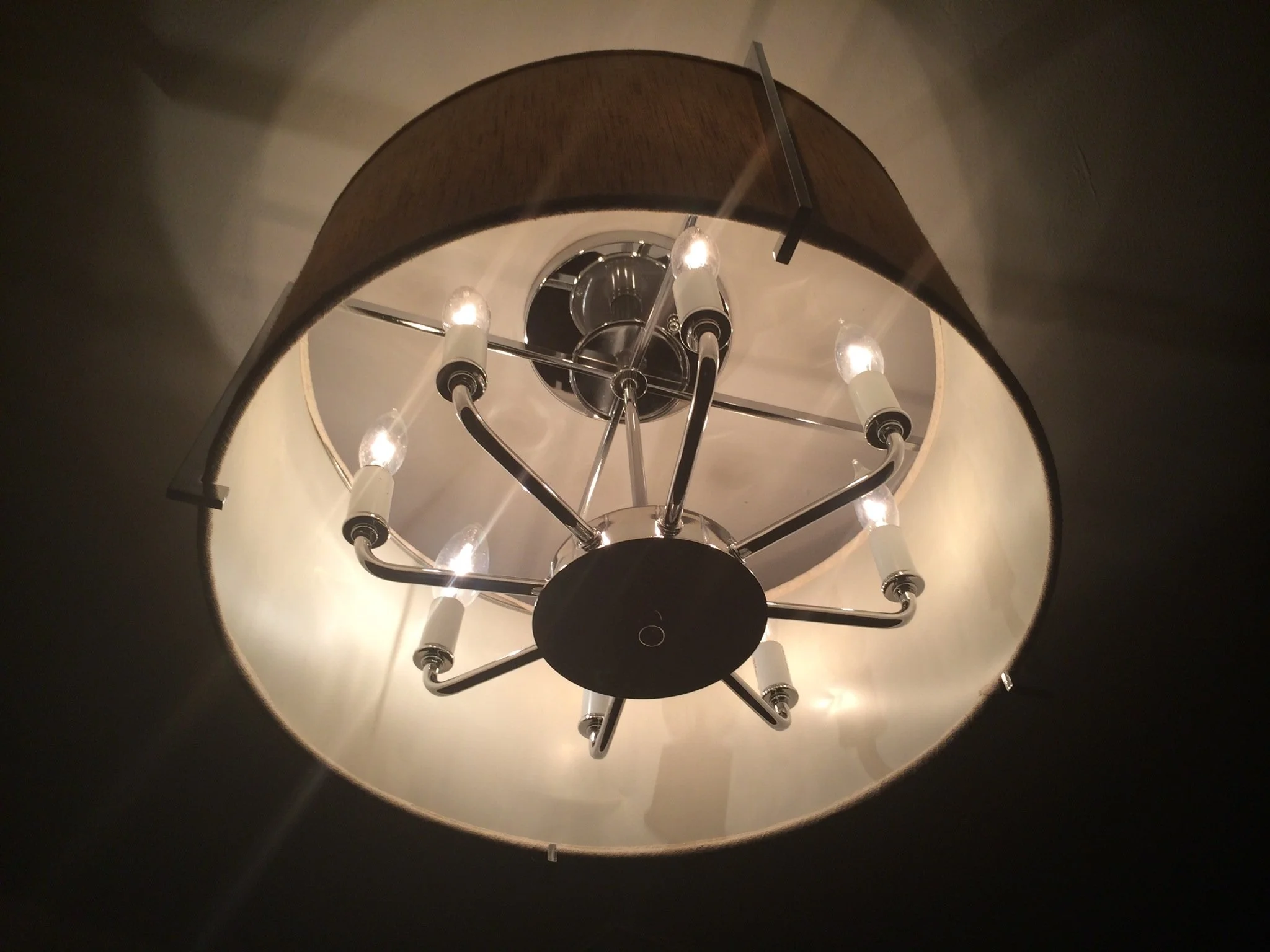
A glare filled nightmare
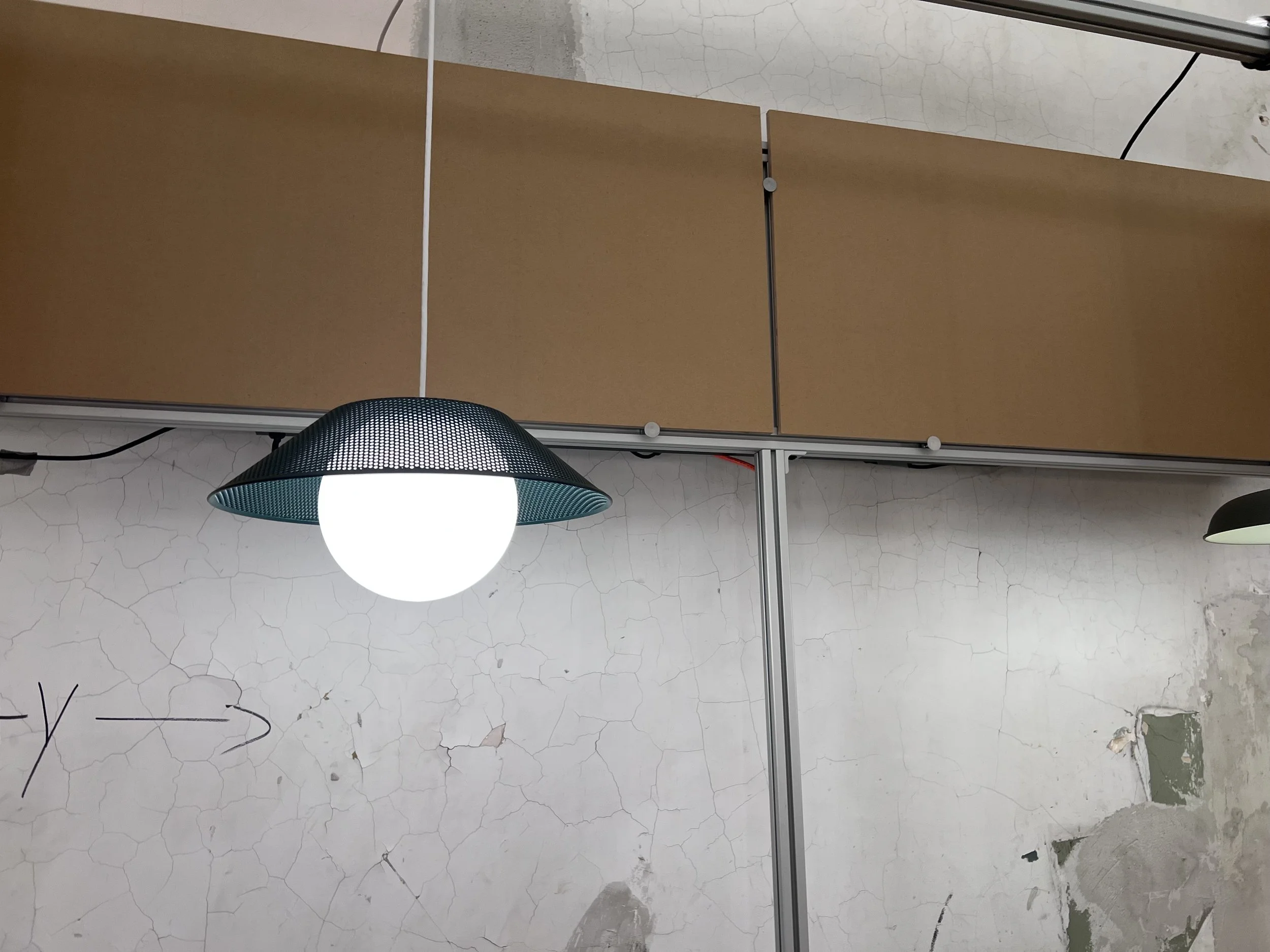
A softly shielded beautiful LED source
Lack of lighting design in the vast majority of places
Lighting design is the combination of art and science that uses light as a design element to enhance entire spaces. It’s the art of layering light effectively, drawing our eye to the right places in a scene and helping the space live up to its designed intent. It’s also the science of getting the proper light levels, flicker-free performance, deep dimming, color temperatures, color rendering, and brightness in a space.
While it is a growing field, lighting design is still a rare occupation, and lighting designers/consultants don’t make their way into the vast majority of projects. (One estimate says lighting designers work on only 6% of all new home builds) What that means is competent engineers, contractors, architects, and homeowners are doing their best, but with the lousy tools at their disposal (see above) and no training, everything from our doctors’ offices to our home offices are left wanting for good, beautiful, functional light.
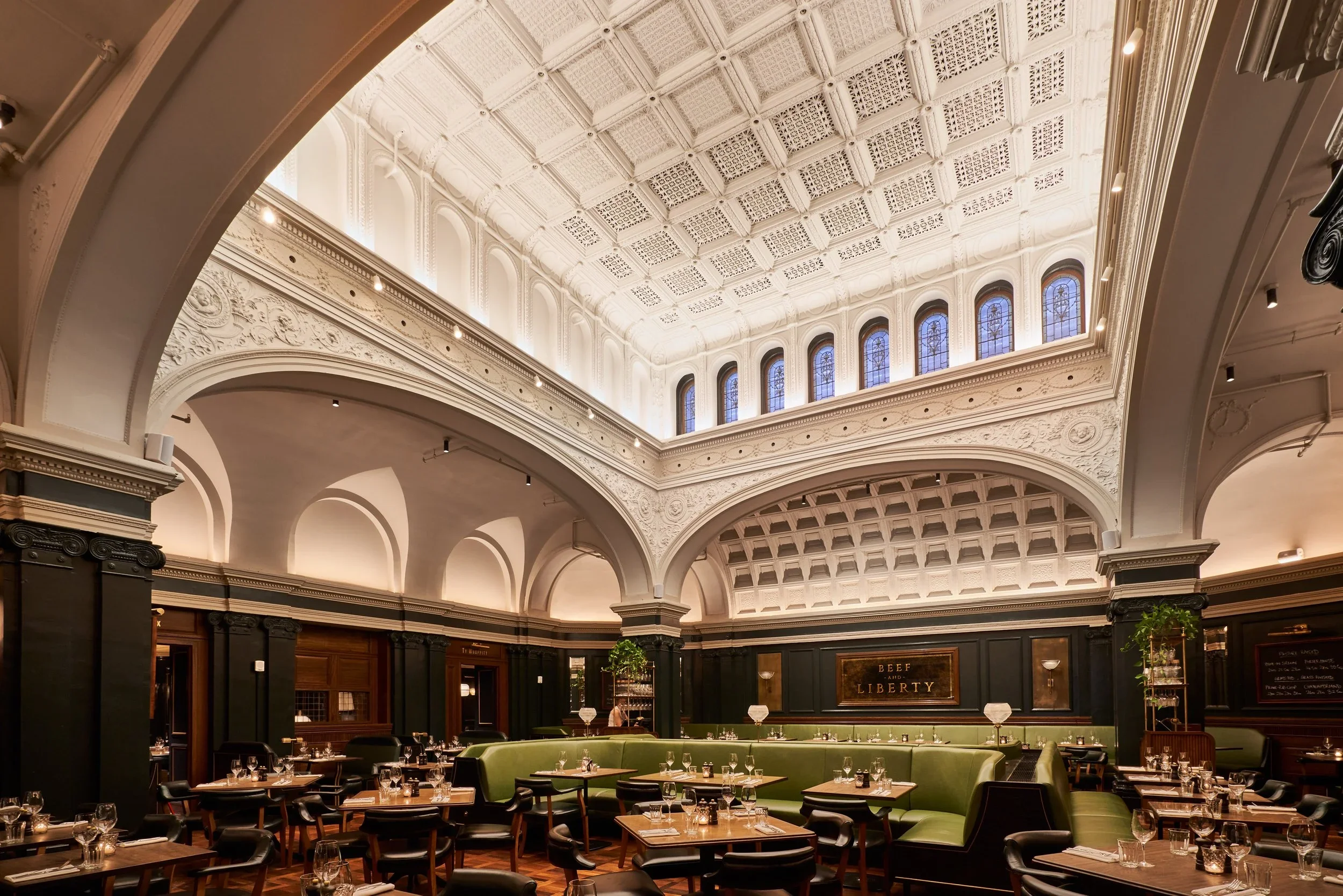
Hawksmoor NYC - Lighting Design by KGM Lighting. This all-LED environment is beautiful.
So what do we do about it?
Light is either a priority or it’s not. I believe passionately that it is and that it’s my industry’s job to demonstrate that. At an industry level, we need to advocate for legislated standards around LED light sources that raise the bar for what can be sold in America.
That sounds great, but in the meantime, what does the average consumer do?
1. Buy a Better Light Bulb - most consumers want a quality light bulb, but don’t know where to find one. I did a video testing several of them. (No sponsors) And land on the best one. (I guess I need to do the 2026 edition!)
2. Make Lighting a higher budget priority in your next home renovation. One of the biggest problems with lighting is that it is often the last step in designing a space. This makes sense, since you can light a space until you know what’s in it. Too often, a client has designed the perfect kitchen with honed stone countertops, glass front cabinets, and amazing appliances. But then the budget is just about maxed out when lighting comes up in the conversation. That’s usually when your contractor is ready to come to the rescue with something that is low quality but easy to install. Make lighting a priority at the outset of a project.
3. Educate yourself on the details. Whether it's what makes a really good recessed light or why you need under-cabinet lighting, the little architectural details of a home will transform your lived experience. It will also keep lighting a priority on your next project.
4. If you’re a decision maker for a business engaging in a fit-out or renovation, ask questions of your architect and engineer.
- How do they choose lighting?
- Who does their layouts?
- Who’s assessing lighting levels and performance?
- Who’s coordinating dimming?
Light has the power to improve everything from our focus to our sleep to our simple enjoyment of the spaces we inhabit. It’s time for everyone to fight for the light to be a little bit better every chance they get.
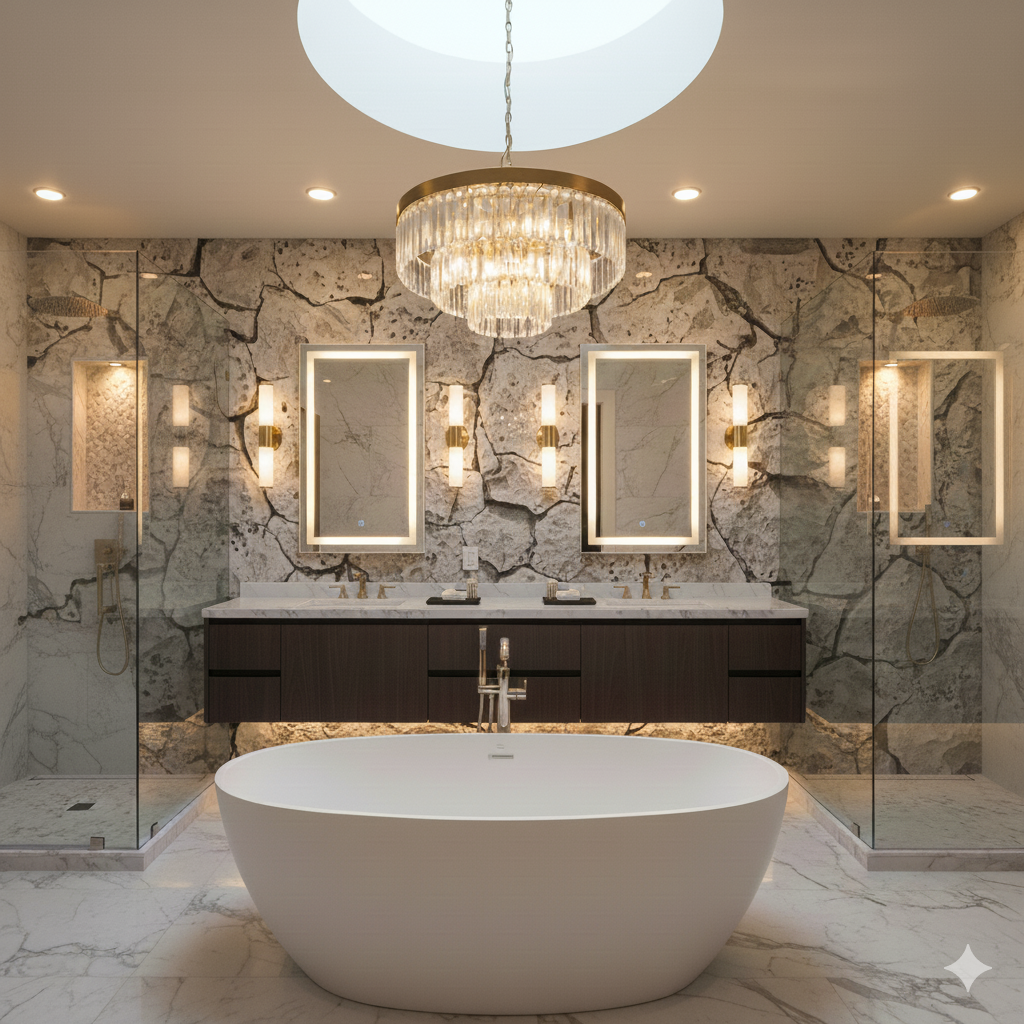
Bespoke Lighting Design Services
Hire a lighting designer and make your next renovation beautiful
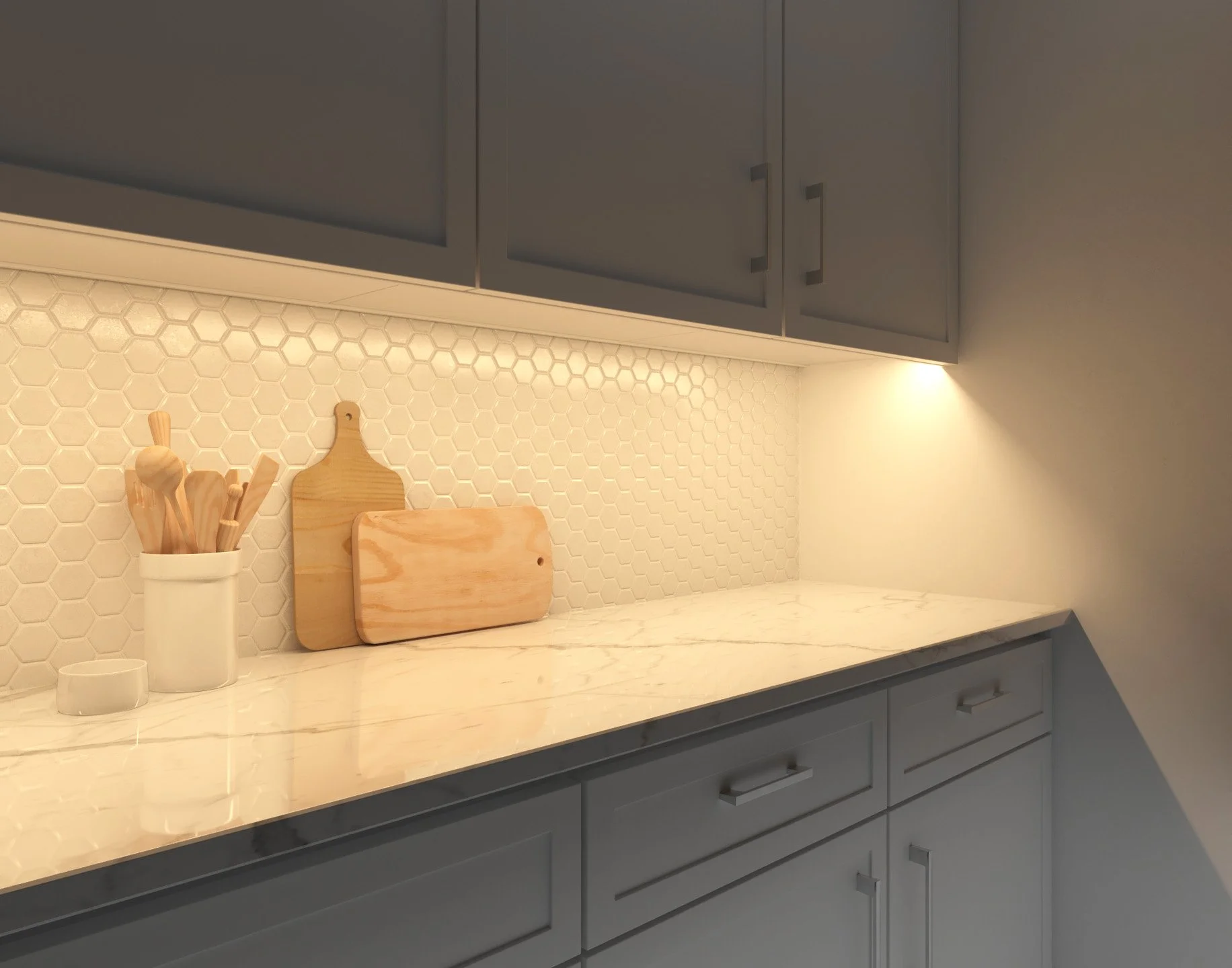
Build Your Own Project
Choose lighting fixtures from a curate collection.